Influence of the Crisis on the Regional Economy
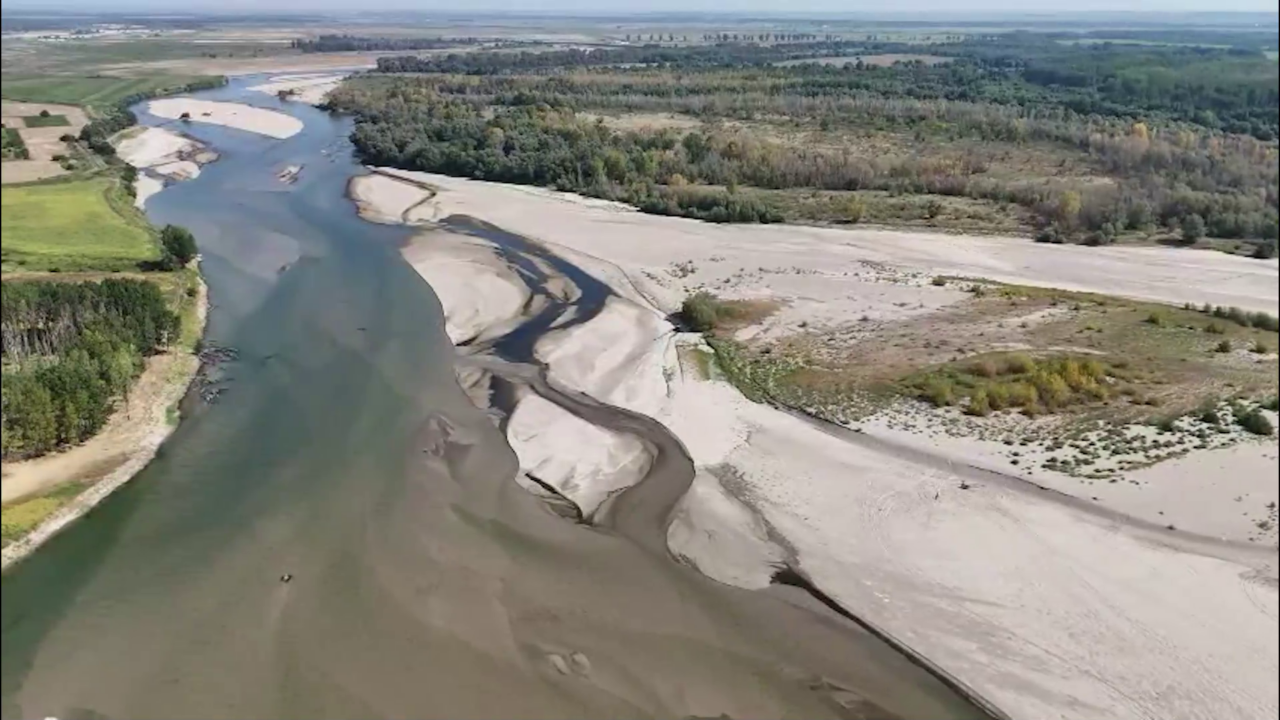
The Danube crisis significantly impacts the regional economy, affecting various economic sectors reliant on this river. Waterborne freight transport, a crucial component of the local economy, has been severely disrupted due to declining water levels, leading to delays and additional costs for transport and logistics companies. Furthermore, the tourism sector is experiencing considerable losses, as cruises and other recreational activities on the Danube are limited or even halted.
The fishing industry is also affected, as reduced water levels and changes in the river’s ecosystem lead to diminished fish catches. This situation negatively impacts local communities that depend on fishing for income and food resources. Agriculture, particularly in regions near the river, faces challenges due to limited access to water for irrigation, thus affecting agricultural production and raising food prices.
Moreover, the Danube crisis places pressure on energy infrastructure, given that many power plants rely on water for cooling and other operational processes. This could lead to increased energy costs and instability in electricity supply. Overall, the economic impact of the Danube crisis is widely felt, emphasizing the urgent need for measures to mitigate these effects and ensure the economic sustainability of the region.
The Role of Tributaries in Maintaining Danube Flow
The Danube’s tributaries play a vital role in maintaining flow and ensuring the river’s continuity by consistently supplying water from different regions. These tributaries, originating from various European countries, contribute to the hydrological balance of the Danube, directly impacting water levels and the river’s capacity to support various economic and ecological activities.
During periods of drought or low precipitation, reliance on tributaries becomes even more apparent, as they are the primary sources of water that maintain the necessary flow for navigation and other uses. Additionally, tributaries are crucial in diluting pollutants and maintaining water quality, providing a suitable environment for the specific biodiversity of the Danube.
Efficient management of these tributaries, through cross-border policies and strategies, is essential to prevent drastic decreases in water levels and to protect riparian ecosystems. Collaboration among countries sharing tributary watersheds is vital to coordinate conservation efforts and respond promptly to the climate and ecological challenges threatening the stability of the Danube.
Ecological Issues Caused by Declining Water Levels
The drop in the Danube’s water levels has severe ecological consequences, affecting biodiversity and the health of riparian ecosystems. The natural habitats of many animal and plant species are threatened, as reduced water volume alters living conditions. Aquatic species, such as fish and amphibians, are particularly vulnerable since lower water levels limit breeding and feeding areas.
Moreover, the decline in water levels leads to increased concentrations of pollutants, as natural dilution is diminished. This affects water quality and can lead to the proliferation of toxic algae, which can cause fish deaths and impact human health. The impact on water quality is also felt by communities that rely on the Danube for drinking water and other daily uses.
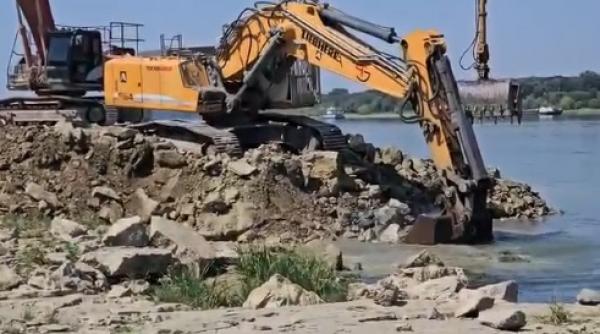
Additionally, the decrease in water levels contributes to bank erosion, affecting soil stability and endangering infrastructure near the river. The vegetation along the banks, which plays an essential role in preventing erosion and maintaining biodiversity, is also affected, leading to a vicious cycle of ecological degradation.
These ecological issues highlight the need for concerted efforts to protect and restore the Danube’s ecosystems through conservation policies and sustainable water resource management. Implementing measures to reduce pollution and ensure adequate water flow is crucial for protecting biodiversity and maintaining the river’s ecological functionality.
International Initiatives for Crisis Management
In light of the complex challenges posed by the Danube crisis, international initiatives play a critical role in the efficient and sustainable management of this situation. International organizations and institutions, such as the European Union and the International Commission for the Protection of the Danube River, coordinate joint efforts to develop integrated water management strategies. These initiatives aim not only to stabilize water levels and protect ecosystems but also to improve cross-border collaboration among riparian countries.
International projects include continuous monitoring of water levels and quality, utilizing advanced technologies to collect precise data and anticipate potential crises. Additionally, good practice exchanges and innovative solutions among member states are promoted to optimize resource use and minimize environmental impact.
Another essential aspect of international initiatives is promoting education and public awareness regarding the importance of conserving the Danube. Through information campaigns and educational programs, local communities are engaged in efforts to protect and restore the river. These actions are complemented by funding and grants for research and development projects aimed at finding sustainable solutions to climate and ecological challenges.
Furthermore, international partnerships facilitate access to technical expertise and financial resources, critical for implementing effective adaptation measures and mitigating the effects of the crisis. The involvement of international actors in managing the Danube crisis underscores the importance of solidarity and global cooperation in the face of environmental challenges, thus ensuring a sustainable future for one of Europe’s most vital river systems.
Sursa articol / foto: https://news.google.com/home?hl=ro&gl=RO&ceid=RO%3Aro